Maspalomas is best known for its dunes: a protected area since 1987 and a Special Nature Reserve since 1994, covering about 400 hectares. The reserve has three parts: the moving dunes, La Charca lagoon, where migrating birds stop between Europe and Africa, and a grove of Canary palms.
The dunes
The dunes are a Special Nature Reserve of a little over 400 hectares, and entry is free. The easiest ways in are from the beach at Playa del Inglés and from the lighthouse end at Maspalomas. The beach in front of the dunes is open as normal.
The rules
- Stay on the marked paths, about 8 km of them. Walking across the open dune field, sliding down the dunes and lying in the vegetation are not allowed.
- Wardens and police patrol the reserve and can fine people who leave the paths. Most offences happen around sunset.
- The naturist areas are on the beach, not inside the reserve.
- The reserve has a free interpretation centre, and guided visits can be booked.
When to go
- From September to May the heat is gentler. In summer the sand in the middle of the dunes gets very hot from late morning.
- Early morning is the quietest time. The late afternoon light is the best for photos, but that's also when the paths are busiest.
- There's no shade. Take water, a hat and sun cream, and wear shoes you can walk in sand with.
The lighthouse and Meloneras
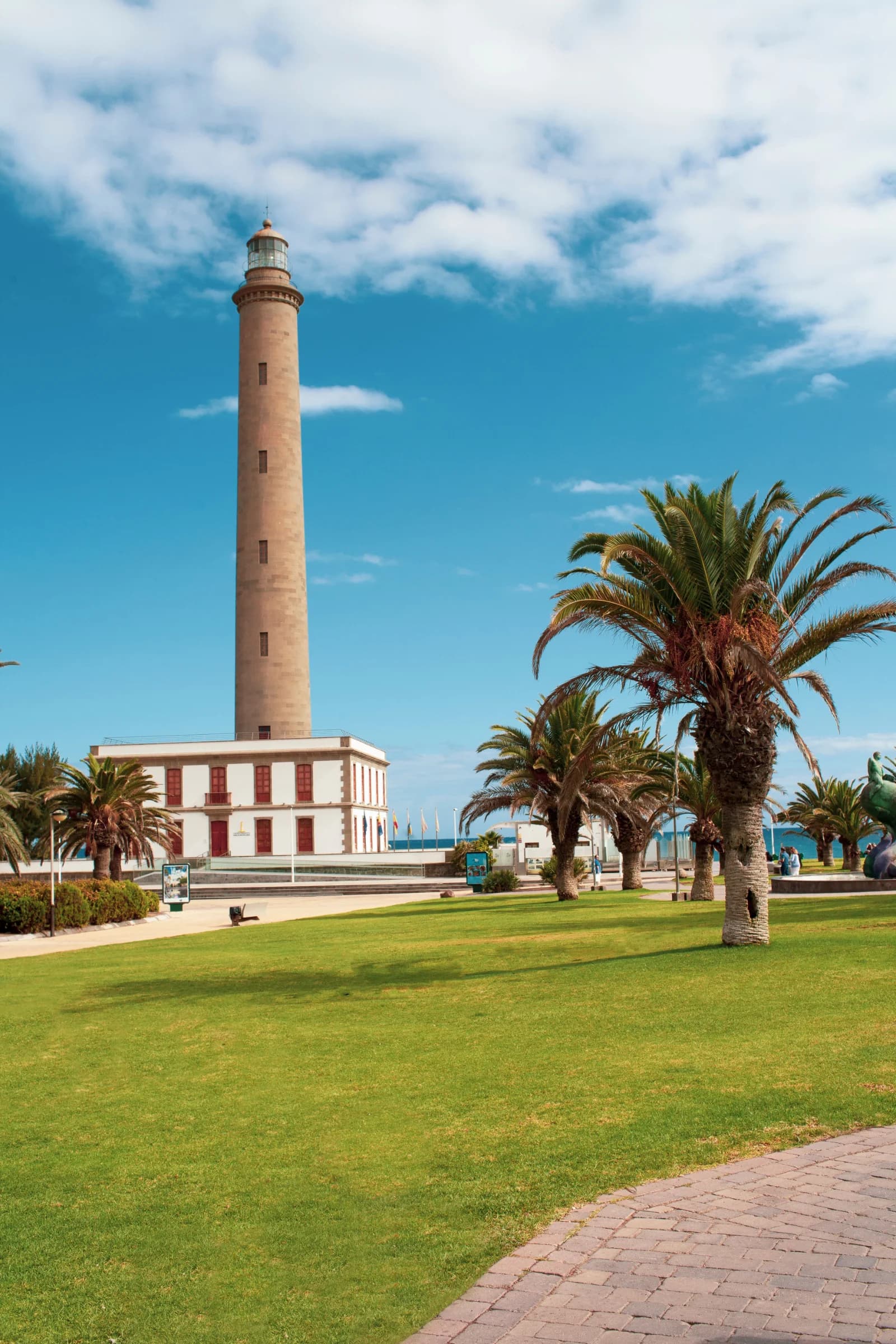
The Maspalomas lighthouse, 56 metres tall and finished in 1890, stands at the western end of the beach. Inside there's an ethnographic centre with local crafts. The seafront promenade continues west from the lighthouse into Meloneras, lined with restaurants.
Nearby
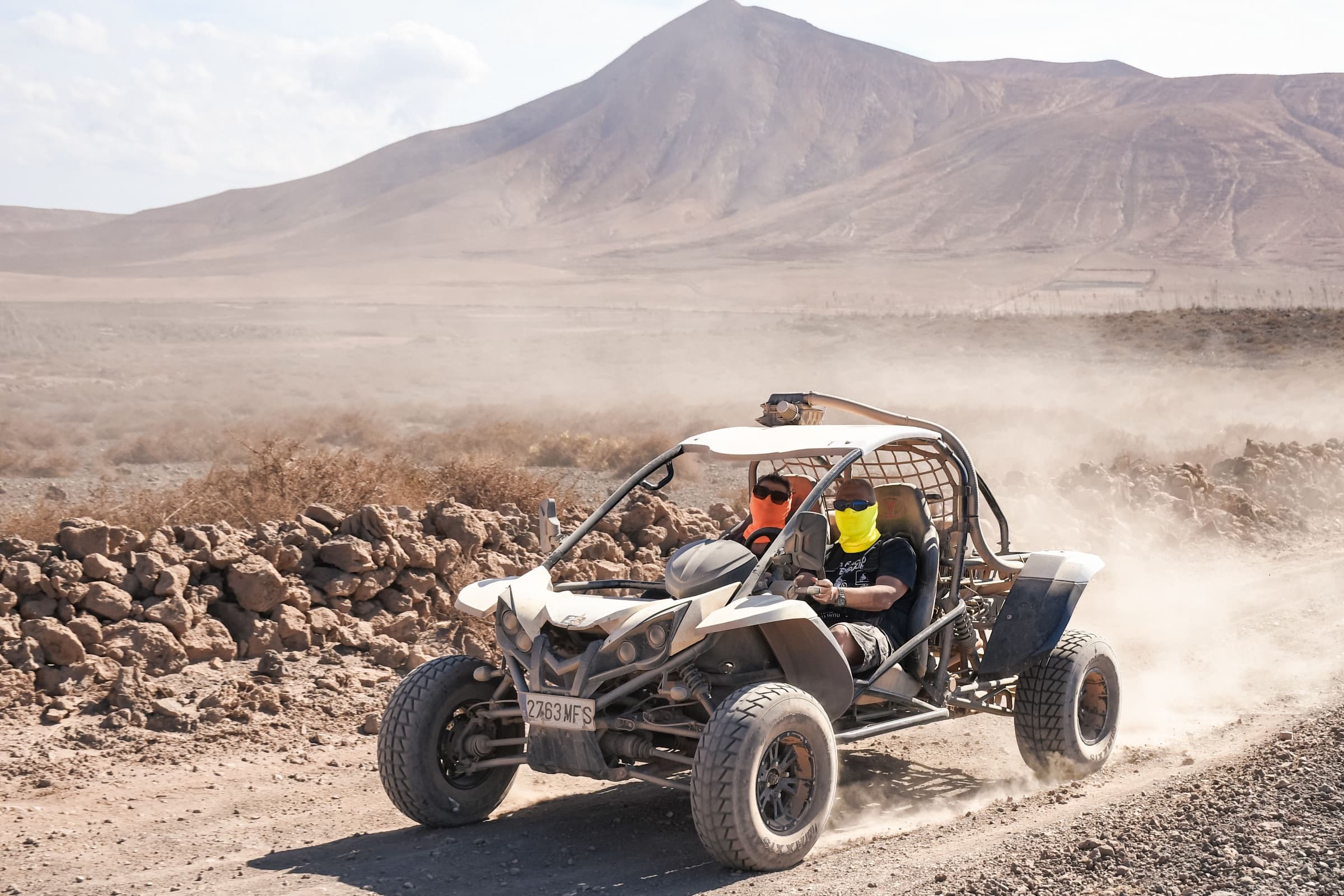
Aqualand and Palmitos Park are a short drive inland, and buggy tours head up into the Ayagaures valley behind the resort.
Good to know
- There's no shade in the dunes. Take water, a hat and sun cream, even for a short walk.
- La Charca is best early in the morning, when there are fewer people and more birds.