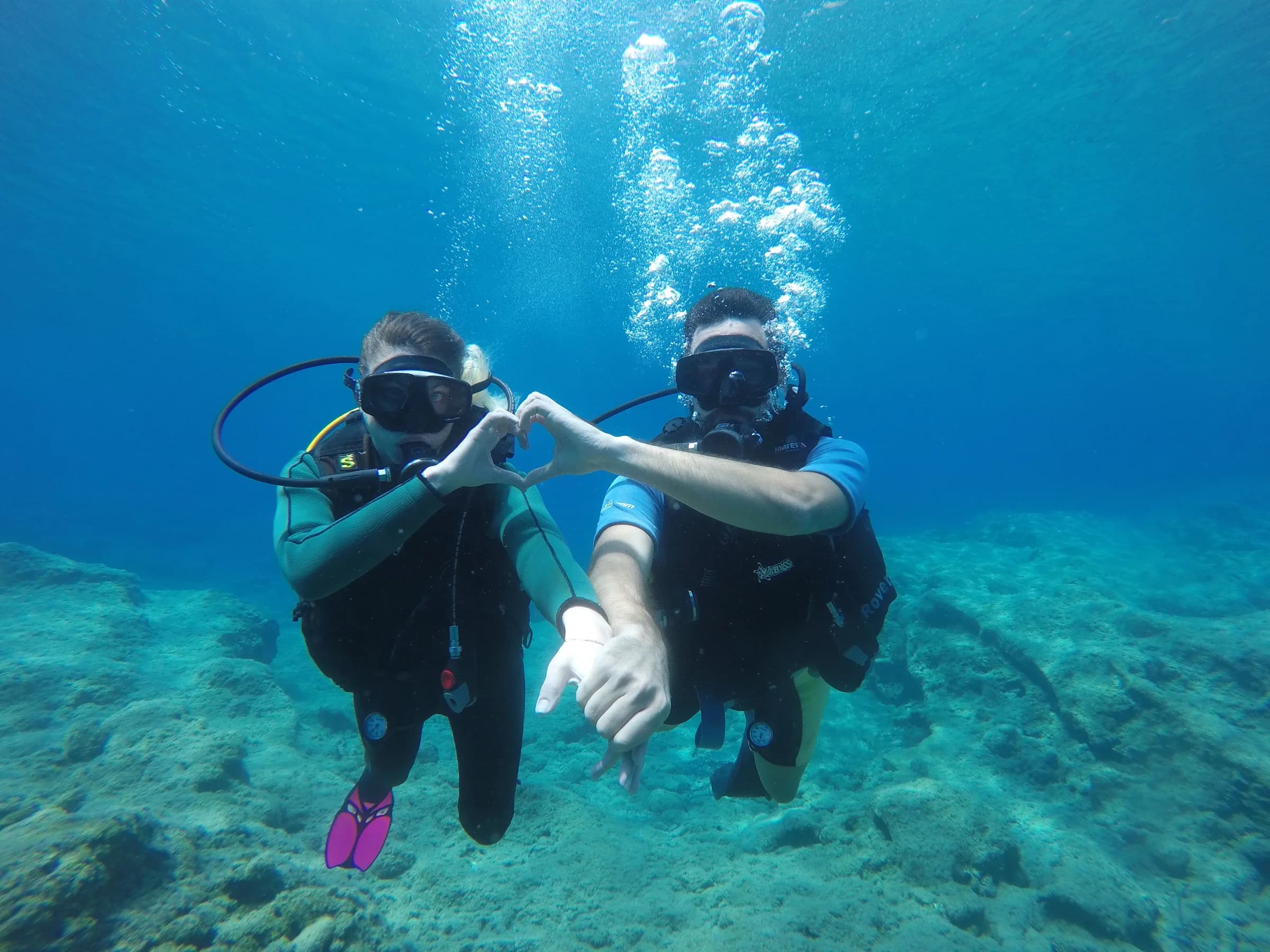
You don't need a certificate to try scuba diving. A try dive starts with a briefing and some practice in shallow water, then a short dive with an instructor beside you. PADI's minimum age for a try dive is 10. You'll fill in a medical questionnaire first, and some conditions need a doctor's signature before you can dive, so read it before the day.
Where people dive
- El Cabrón, near Arinaga on the east coast, is a protected area and the island's best-known shore dive. Dive centres report more than 400 fish species there.
- Sardina del Norte, near Gáldar in the north-west, is another popular shore dive and is known for night dives.
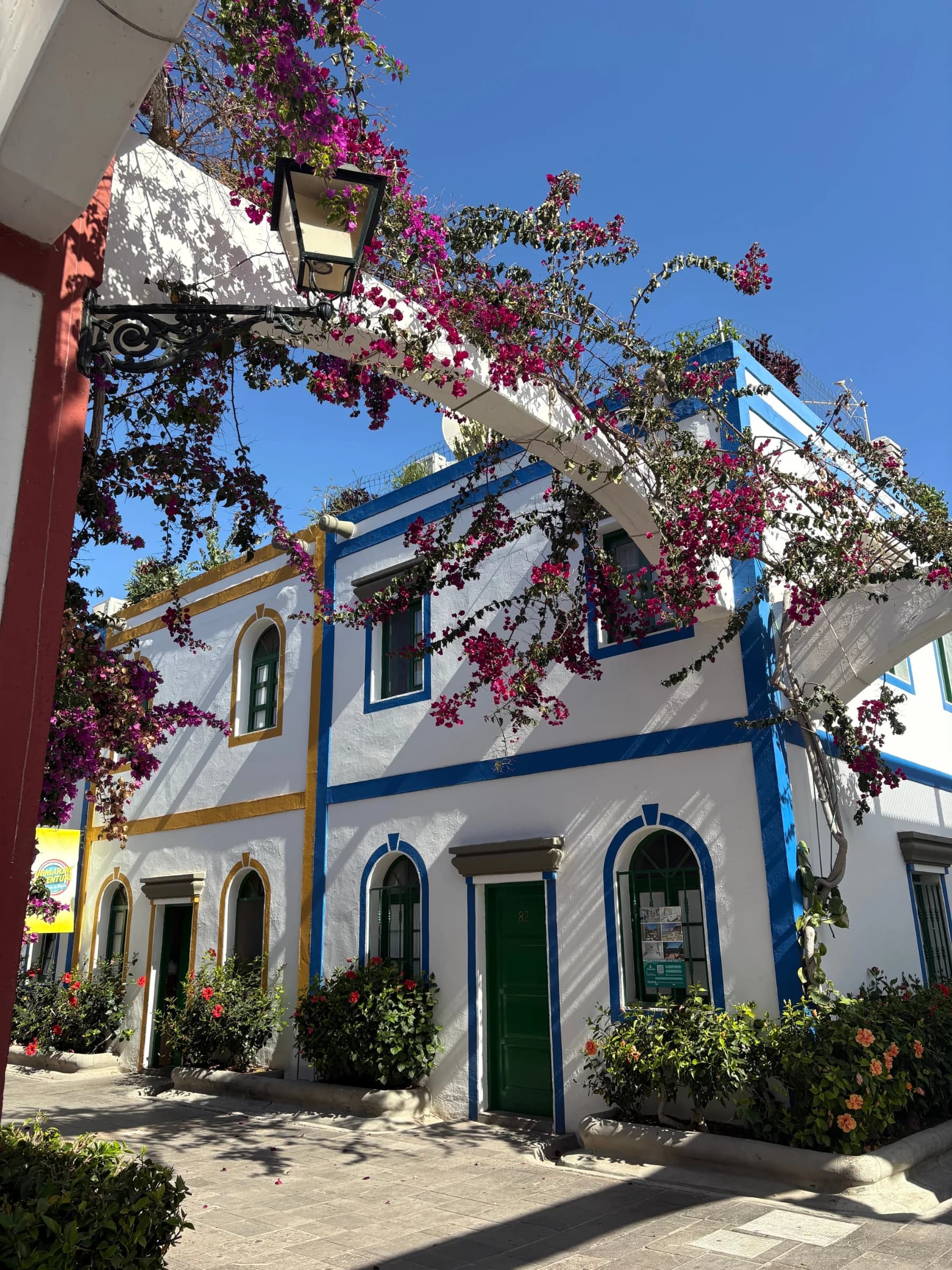
- The south coast around Puerto Rico and Mogán has boat dives and easy entries for beginners, close to the resorts.
Angel sharks, which are critically endangered, are still seen on sandy bottoms around Gran Canaria, most often in winter.
Snorkelling
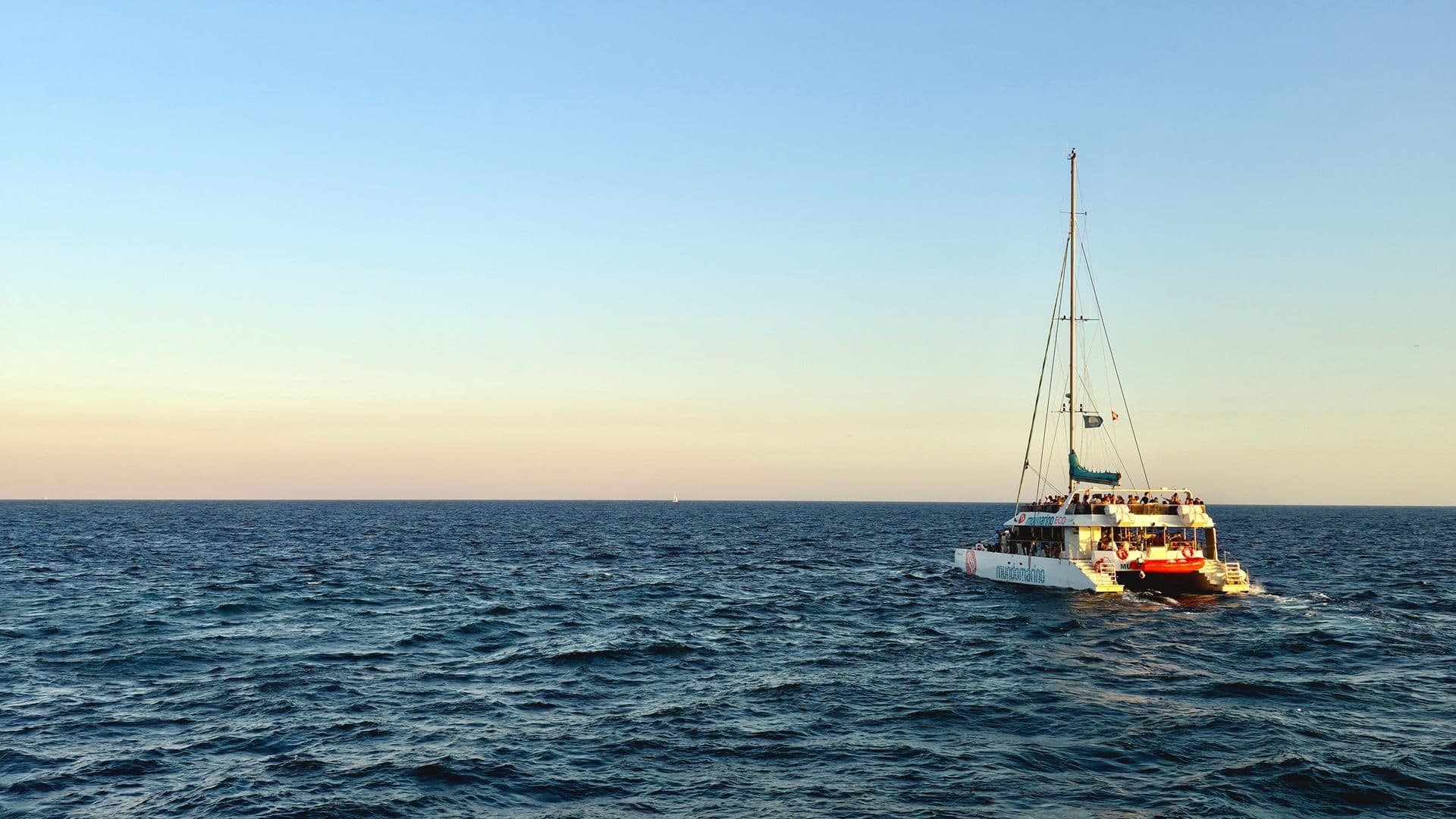
The calm coves of the south-west are the easiest place to start. Kayak tours from Mogán and most catamaran cruises include a snorkel stop with the gear provided. On the east coast, some guided trips combine a coastal walk with snorkelling in the El Cabrón area.
Good to know
- The water is around 18 °C in January and February and about 23 to 24 °C in late summer.
- Don't fly for at least 12 hours after a single dive, and 18 hours after several. Plan your dive for early in the holiday.
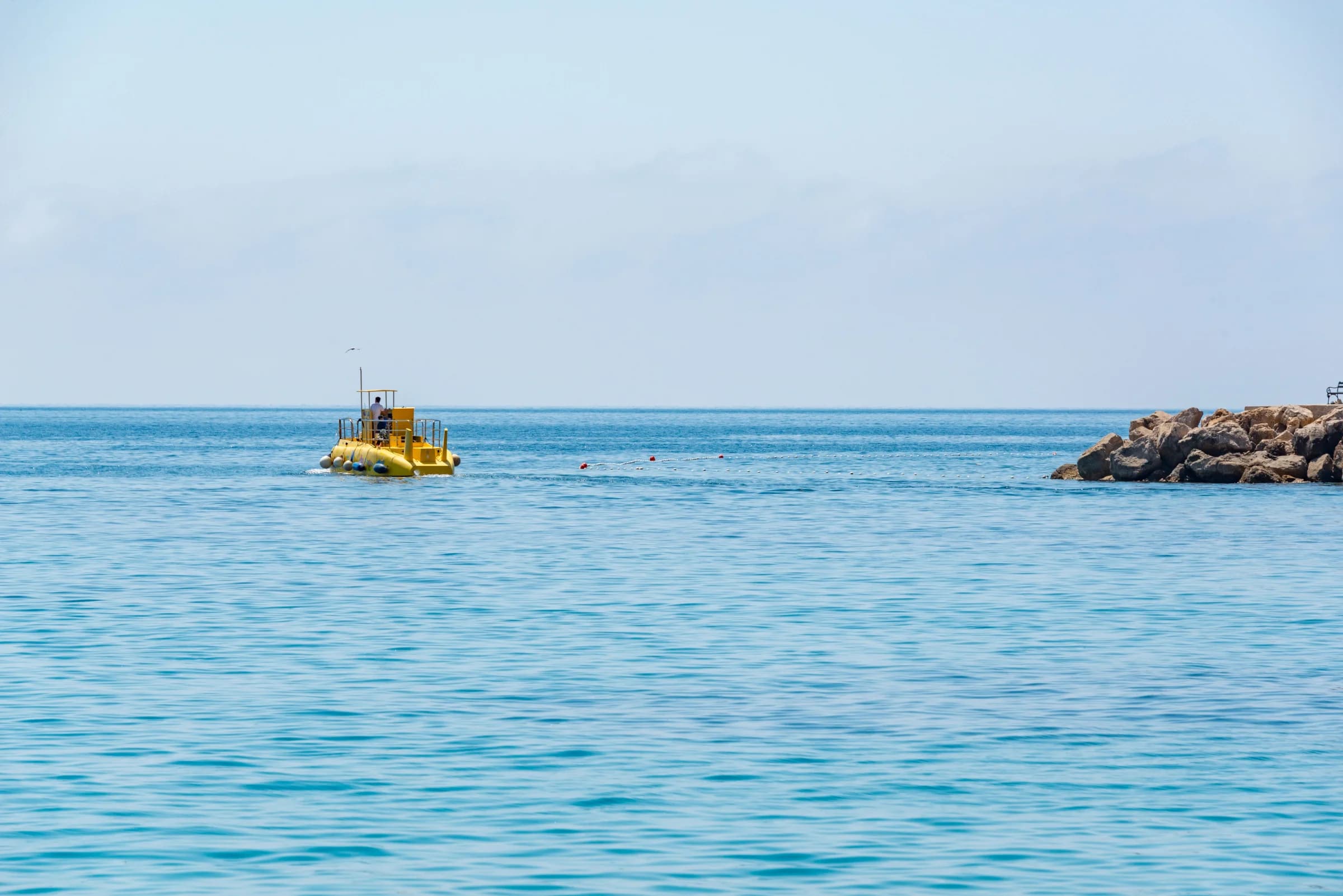
- If you'd like to see the seabed without getting wet, there's a tourist submarine in Puerto de Mogán.